Rubber Lining Solutions for Conveyor Systems and Industrial Applications Many industrial facilities use rubber lining…
Rubber Sheeting Applications in Industrial and Commercial Environments
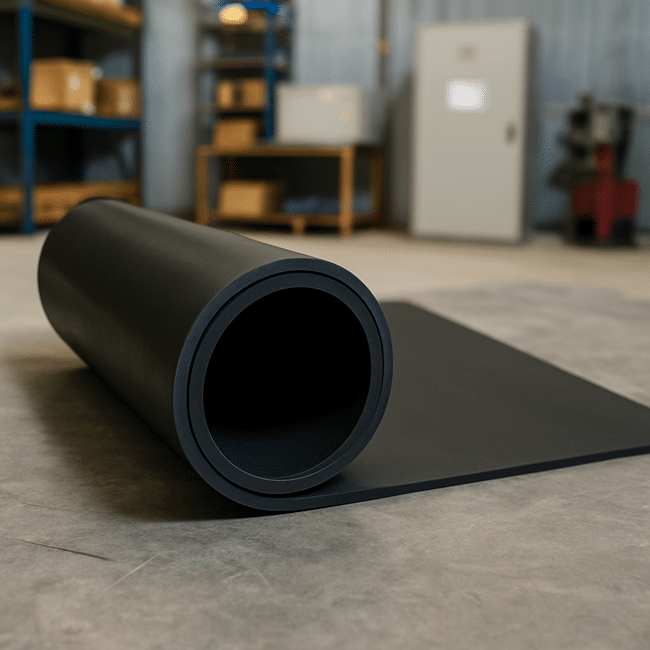
 Rubber sheeting plays an important role in many industrial and commercial settings. Companies use it to protect surfaces, support equipment, create seals, reduce wear and improve durability in demanding working environments. Because rubber sheeting comes in different compounds and thicknesses, businesses can select a solution that matches the conditions on site and the purpose of the application.
In South Africa, rubber sheeting supports a wide range of industries, from workshops and factories to warehouses, construction sites and heavy duty operations. It can help protect floors, line surfaces, reduce vibration and support sealing applications where strength and reliability matter. In harsher environments, the correct material choice becomes even more important because exposure to abrasion, oil, chemicals, weather and continuous use can shorten product life.
If your operation needs a practical and durable material for protection, sealing or lining, our rubber sheeting range offers several options for different industrial requirements.
Why this material is widely used in industrial environments
Many businesses choose rubber sheeting because it offers a practical combination of flexibility, protection and durability. It can serve as a barrier between equipment and surfaces, provide cushioning in high contact areas and support applications where wear resistance matters. It also works well in operations that need custom cut parts, protective linings or reliable sealing materials.
Commercial and industrial users often need materials that can handle repeated use without losing performance too quickly. Rubber sheeting helps meet that need because it can adapt to a wide range of working conditions. Some grades perform well in general purpose environments, while others handle oils, chemicals, weather exposure or higher temperatures more effectively.
This flexibility makes rubber sheets useful across many sectors. A workshop may use them to protect benches, floors or machinery contact points. A warehouse may use them for surface protection or anti vibration support. A factory may use them for lining, gasketing or sealing. The right product depends on the environment, the type of exposure and the performance needed over time.
Common applications in industrial and commercial spaces
Rubber sheeting supports many day to day industrial tasks. One common use is floor protection. In busy work areas, rubber sheeting can help protect the underlying surface against friction, impact and ongoing wear. This can help reduce damage in areas where staff, equipment or materials move regularly.
Another common application is protective lining. Businesses often use rubber sheeting to line contact surfaces, workstations, equipment zones or other areas where direct contact may cause wear. In these cases, the rubber acts as a practical protective layer that helps reduce surface damage and extends the service life of surrounding materials.
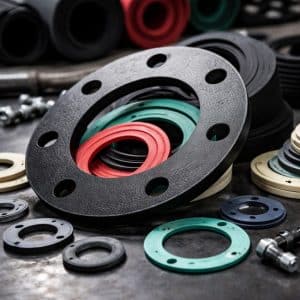
Rubber sheeting also works well for gaskets and seals. Many industries need sheets that can be cut into shapes for sealing tasks, equipment support and general maintenance work. In these situations, flexibility and suitability for the environment matter more than a one size fits all approach.
Companies also use rubber sheeting for anti vibration support. Machinery, equipment and moving parts can create repeated movement and stress on surrounding surfaces. Rubber can help absorb part of that movement and support a more controlled working environment.
In warehouses, factories and workshops, businesses also use rubber sheets for general purpose protection. They can support work surfaces, protect equipment zones, separate contact points and add a durable layer where repeated use would otherwise damage the base surface.
Rubber sheeting for demanding environments such as mining and heavy industry
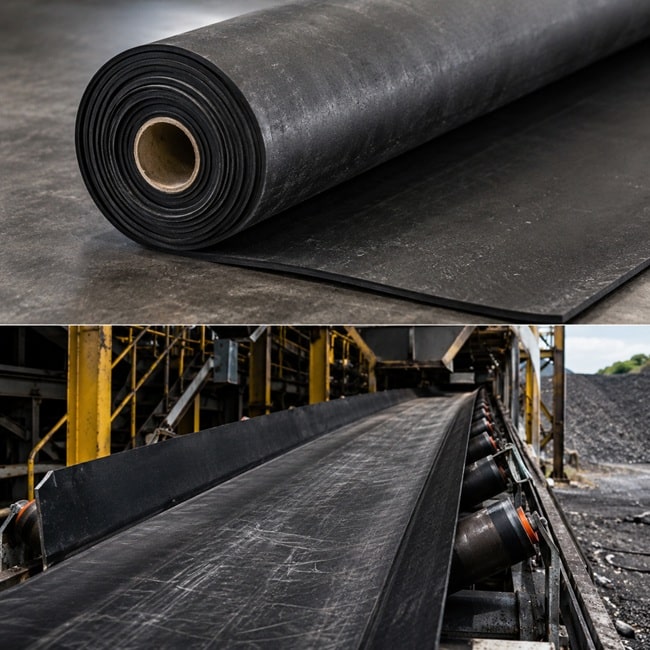
Demanding environments place far greater pressure on materials. In heavy industry and mining related operations, surfaces often face constant abrasion, impact, movement and wear. In these cases, rubber sheeting can serve as a practical material for protection and lining where durability matters.
Mining companies and heavy industrial operators often work in conditions where equipment and surfaces handle rough materials, continuous movement and harsh operating environments. Rubber sheeting can help protect contact areas, support lining applications and reduce the direct effect of wear on surrounding components and surfaces.
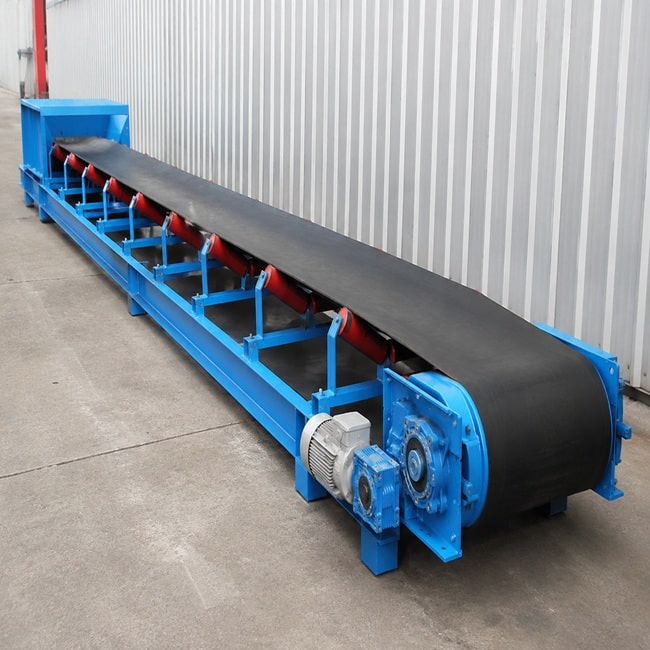
For example, some heavy duty applications use rubber sheeting for lining tanks, chutes and conveyors, or for creating protective layers in areas exposed to repeated friction and material flow. In these situations, the material must do more than simply cover a surface. It must also support performance under pressure and stand up to ongoing wear.
This is where reinforced or application specific sheet rubber becomes more relevant. Businesses that operate in these tougher environments often need a material that offers stronger wear resistance, better structural support or suitability for more aggressive conditions. That is why it helps to match the compound to the actual working environment instead of relying on a general specification alone.
Use in demanding environments such as mining and heavy industry
Different compounds support different working conditions. That is why companies should look beyond the word rubber and focus on the actual environment in which the material will operate.
General purpose rubber sheeting offers a versatile option for industrial and commercial projects. It suits a broad range of applications, including floor protection, surface lining, custom cut parts, gaskets and seals. Businesses often choose this option when they need a dependable material for general use in factories, workshops, warehouses, construction environments and shipping related settings.
Insertion rubber sheeting suits tougher applications that need extra strength and better resistance to wear and tear. Because it includes a fabric insert, it can support heavy duty floor protection, sealing work, anti vibration pads and lining applications such as tanks, chutes and conveyors. This makes it especially relevant in harsher industrial environments where standard sheet rubber may not offer enough reinforcement.
Neoprene rubber sheeting supports applications that need resistance to weathering, oils, chemicals and fuels. Companies often use it for sealing, insulation, protection, vibration dampening and lining in environments where broader chemical and environmental resistance plays a role.
EPDM rubber sheeting works well in applications exposed to weather, ozone, UV, water and various chemicals, acids and alkalis. This makes it a strong option for outdoor or weather exposed environments. However, businesses should remember that EPDM does not suit oils and fats as well as some other compounds do.
Nitrile rubber sheeting suits environments where oils, fuels and chemicals play a bigger role. Workshops, factories and automotive related operations often choose nitrile when they need sheet rubber for sealing, lining and equipment protection in more oil exposed settings.
Silicone sheeting fills a more specialised role. It offers strong temperature resistance and suits industrial applications where heat performance matters more than general mechanical strength. This makes it relevant for businesses that need rubber sheeting in higher temperature environments.
What to consider before choosing rubber sheeting for your operation
Businesses often know the type of product they need, but the operating environment still matters. Before selecting rubber sheeting, it helps to look at the main conditions on site. Start with the type of exposure. Ask whether the material will face abrasion, oil, fuel, chemicals, weather, heat or repeated impact. Each of these factors can affect which compound will perform best.
Also consider the actual purpose of the material. Some operations need a sheet for lining. Others need it for sealing, surface protection, anti vibration support or equipment contact areas. A product that works well for one purpose may not be the strongest match for another.
Thickness and reinforcement also matter. In higher wear environments, businesses may need a more robust solution or a product with added structural support. In more standard settings, a general purpose sheet may already do the job well. The key is to match the product to the working conditions instead of choosing only on price or availability.
If your company works across multiple environments, it may also make sense to standardise certain materials for specific use cases. This can support maintenance planning, improve consistency and help teams order the right products more efficiently.
For businesses that need guidance on the most suitable solution for their environment, it helps to review the full rubber sheeting range and compare the available compounds based on actual application requirements.
FAQ
Q1: What is rubber sheeting used for in industrial environments?
Rubber sheeting is commonly used for floor protection, surface lining, gaskets, seals, anti vibration support and equipment protection in industrial and commercial environments.
Q2: Which type of rubber sheeting is suitable for heavy duty applications?
That depends on the environment and the level of wear involved. In tougher applications, businesses often look at stronger options such as insertion rubber sheeting because it offers added reinforcement and better wear resistance.
Q3: Can rubber sheeting be used in mining related environments?
Yes, rubber sheeting can support demanding environments where surfaces face abrasion, impact and ongoing wear. The correct material depends on the application, the type of exposure and the level of durability required.
Q4: What is the difference between EPDM and nitrile rubber sheeting?
EPDM suits outdoor and weather exposed environments because it offers good resistance to weather, ozone, UV and water. Nitrile suits applications where oils and fuels play a bigger role.
Q5: Is silicone sheeting suitable for general industrial use?
Silicone sheeting suits more specialised industrial applications where temperature resistance is important. For broader general purpose use, other compounds may offer a more suitable balance of properties.
Q6: How do I choose the right rubber sheeting for my business?
Start by looking at the working environment, including wear, oil exposure, chemicals, weather conditions, temperature and the exact function of the material. If you need help selecting the right option, please contact our customer service team for assistance.
Related Posts